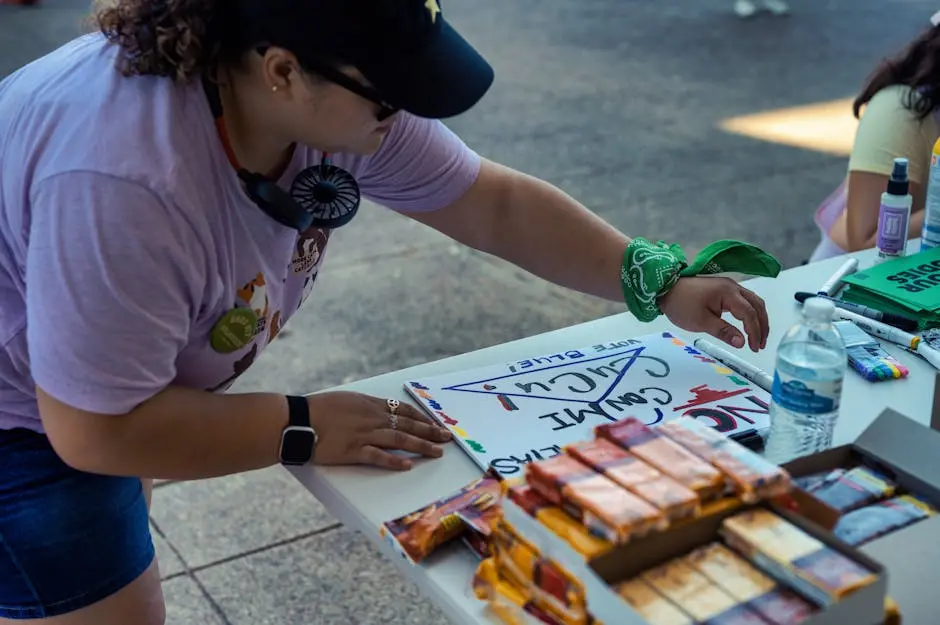
Expert Tips for Perfecting Event Logistics at New York Festivals
Navigating the bustling world of New York festivals can be overwhelming, especially when it comes to event logistics. From managing vendors to coordinating volunteers and ensuring a seamless guest experience, there are many moving parts to consider. Whether you’re a seasoned event planner or embarking on your first festival, these expert tips will help you manage logistics like a pro and create unforgettable experiences for attendees.

Understanding the Importance of Event Logistics
Event logistics are the backbone of any successful festival. They encompass everything from transportation and setup to staffing and safety measures. Understanding why these elements are crucial can help you prioritize effectively.
For instance, consider how transportation affects not just the logistics of the event but also overall attendee satisfaction. Ensuring that shuttles or public transit options are readily available can significantly impact the flow of guests, thereby influencing their experience.
Moreover, your logistics approach supports safety protocols. With larger crowds, security and emergency management become paramount. A well-planned logistics framework allows you to assess risks and implement necessary precautions, ensuring a safe environment for all.
Creating a Comprehensive Logistics Plan
A well-thought-out logistics plan serves as your roadmap. It should include timelines, checklists, and contingency plans to address any unforeseen issues. The more detailed your plan, the smoother your event will run.
This plan isn’t just a document; it should be a living guide that evolves as your event unfolds. Regularly revisiting and updating it keeps every aspect fresh in everyone’s minds, allowing for adaptability as challenges arise.
Additionally, consider breaking your plan down into sections. For example, you could create distinct logistics outlines for setup, live event management, and post-event breakdown. This compartmentalization helps clarify responsibilities and keeps focus on specific tasks at hand.
Communication is key when executing this plan. Make sure everyone involved understands their roles and the timeline. Regular meetings, even small check-ins, can keep the team aligned and motivated as the event date approaches.
Choosing the Right Vendors and Suppliers
Selecting reliable vendors is key to ensuring your event runs smoothly. Take the time to research and vet suppliers, focusing on their experience with similar events and their responsiveness to your needs.
A great vendor can often be the difference between a seamless experience and a logistical nightmare. Personal recommendations, online reviews, and past work examples can serve as a valuable foundation for choosing trustworthy partners.
Moreover, establish clear communication channels with your vendors right from the start. Holding initial meetings to discuss expectations, deadlines, and potential hurdles can pave the way for a cooperative relationship throughout the planning process.
Don’t overlook the significance of written agreements. These should outline each party’s responsibilities, deliverables, and payment timelines, ensuring everyone is on the same page and thus reducing the risk of misunderstandings.
Effective Communication with Your Team
Clear communication is vital for orchestrating a successful event. Regularly update your team and establish a centralized communication platform for real-time information sharing during the festival.
Consider utilizing tools like Slack or project management software that can enhance real-time interaction. This ensures instant updates and maintains a cohesive workflow amongst team members, which is particularly crucial on the day of the event when time is of the essence.
Additionally, designate a communication lead to streamline the process. This person can act as the point of contact for managing inquiries and disseminating information, reducing noise and confusion that can arise in fast-paced environments.
And remember, fostering a culture of open communication encourages team members to voice concerns or suggestions. This not only builds trust but can also lead to innovative solutions to challenges that arise during the festival.
Utilizing Technology to Streamline Processes
Embrace technology to optimize logistics. From event management software to apps for guest interaction, these tools can enhance efficiency and improve the attendee experience.
For example, utilizing ticketing platforms allows for advanced sales tracking and guest management, ensuring smooth entrance and minimizing wait times. This direct impact on guest satisfaction cannot be understated—happy attendees are likely to return to future events.
Additionally, many festivals are now using apps that provide attendees with real-time information about schedules, vendor locations, and other essential details. This not only enriches the overall event experience but also reduces foot traffic congestion at information booths.
Furthermore, consider automation tools that can handle data analysis after the event. Analyzing attendee behavior and feedback efficiently can guide your strategies for future logistics planning.
Preparing for the Unexpected
Events rarely go exactly as planned, so preparation for unexpected challenges is essential. Develop a contingency plan for various scenarios, ensuring that your team knows how to respond effectively.
For instance, consider possible weather disruptions and establish protocols for both indoor and outdoor setups. Communication here is critical—ensure that every team member is aware of the backup plans and where they can find the latest updates.
Moreover, don’t forget about health and safety issues. In the ever-evolving landscape of events, being proactive about sanitization measures and emergency medical support can save lives and enhance public confidence.
By conducting practice drills, you can ensure your team is familiar with emergency procedures. This takes the pressure off during the event itself and creates a more organized environment in case of a real crisis.
Gathering Feedback for Future Improvements
After your event, don’t forget to collect feedback from attendees, vendors, and staff. Analyzing this input can provide valuable insights that help you refine your logistics for future festivals.
Utilize surveys or follow-up emails to solicit candid thoughts on what went well and what could be improved. Engaging with attendees post-event shows that you value their experience and are committed to improving future festivals.
It’s equally important to have a debriefing session with your internal team. Discussing logistics openly will help identify gaps and celebrate successes, creating a comprehensive understanding of the event’s performance.
As you gather this information, look for trends and patterns that can guide your logistics planning. Continuous improvement is key; each festival should better inform the next.
Final Thoughts on Event Logistics
Perfecting event logistics at New York festivals takes creativity, careful planning, and a commitment to excellence. By implementing these tips, you can streamline your operations and enhance the overall festival experience. Remember, every successful event is built on strong logistics, so take the time to plan and execute your strategies effectively. Happy planning!